

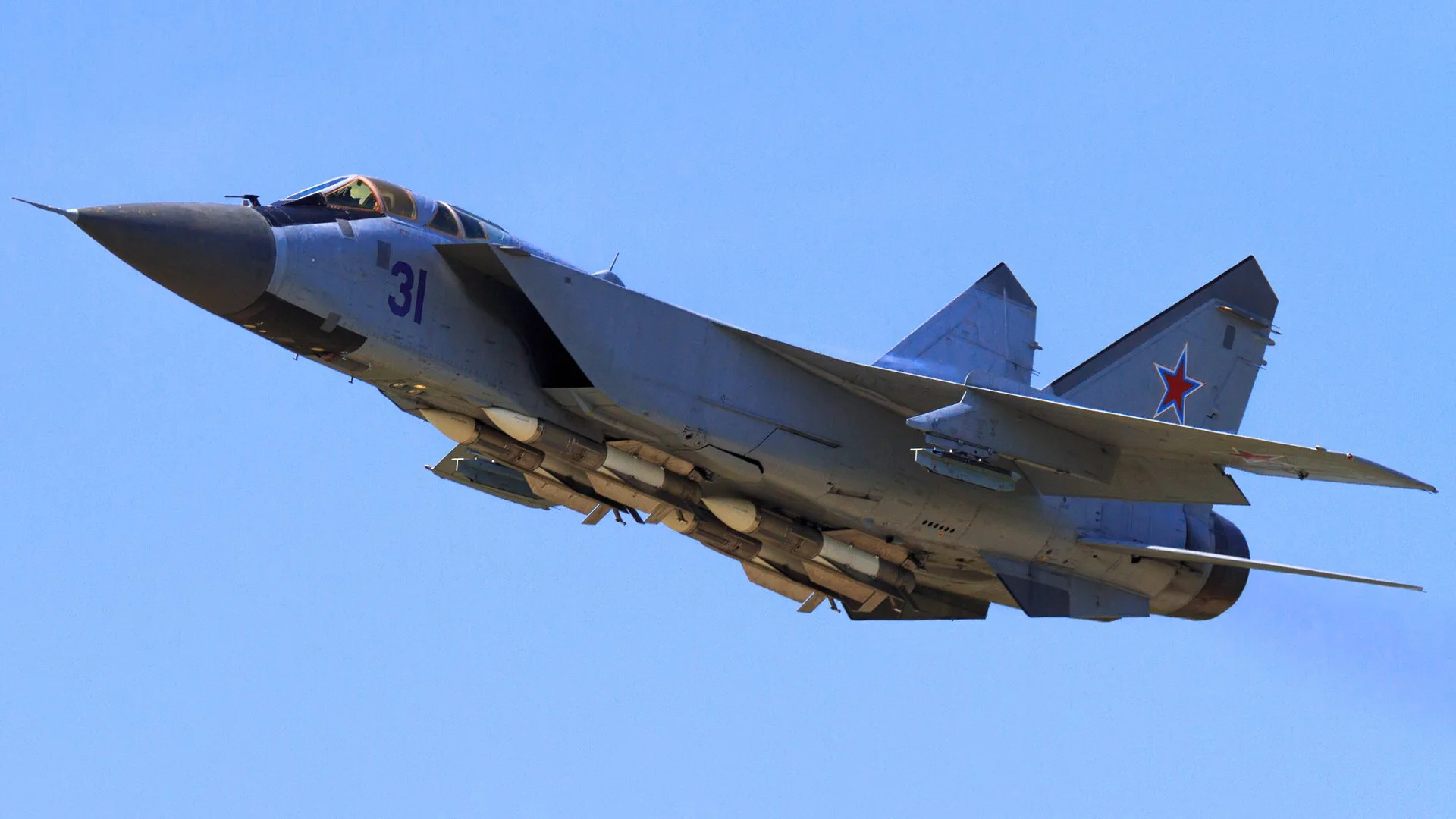
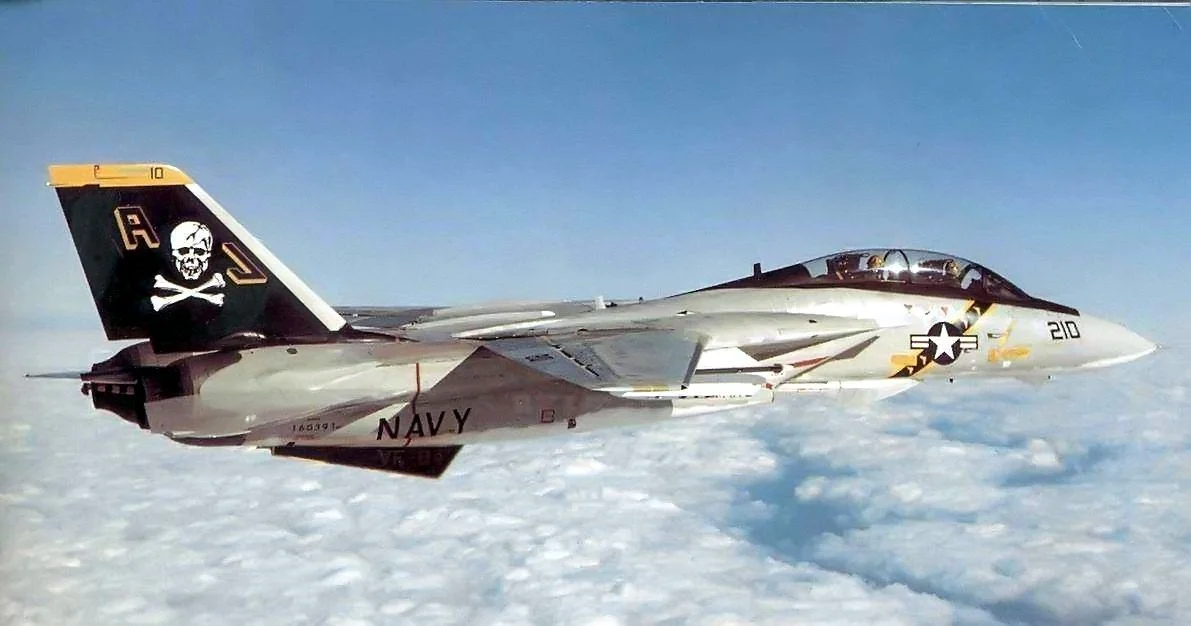
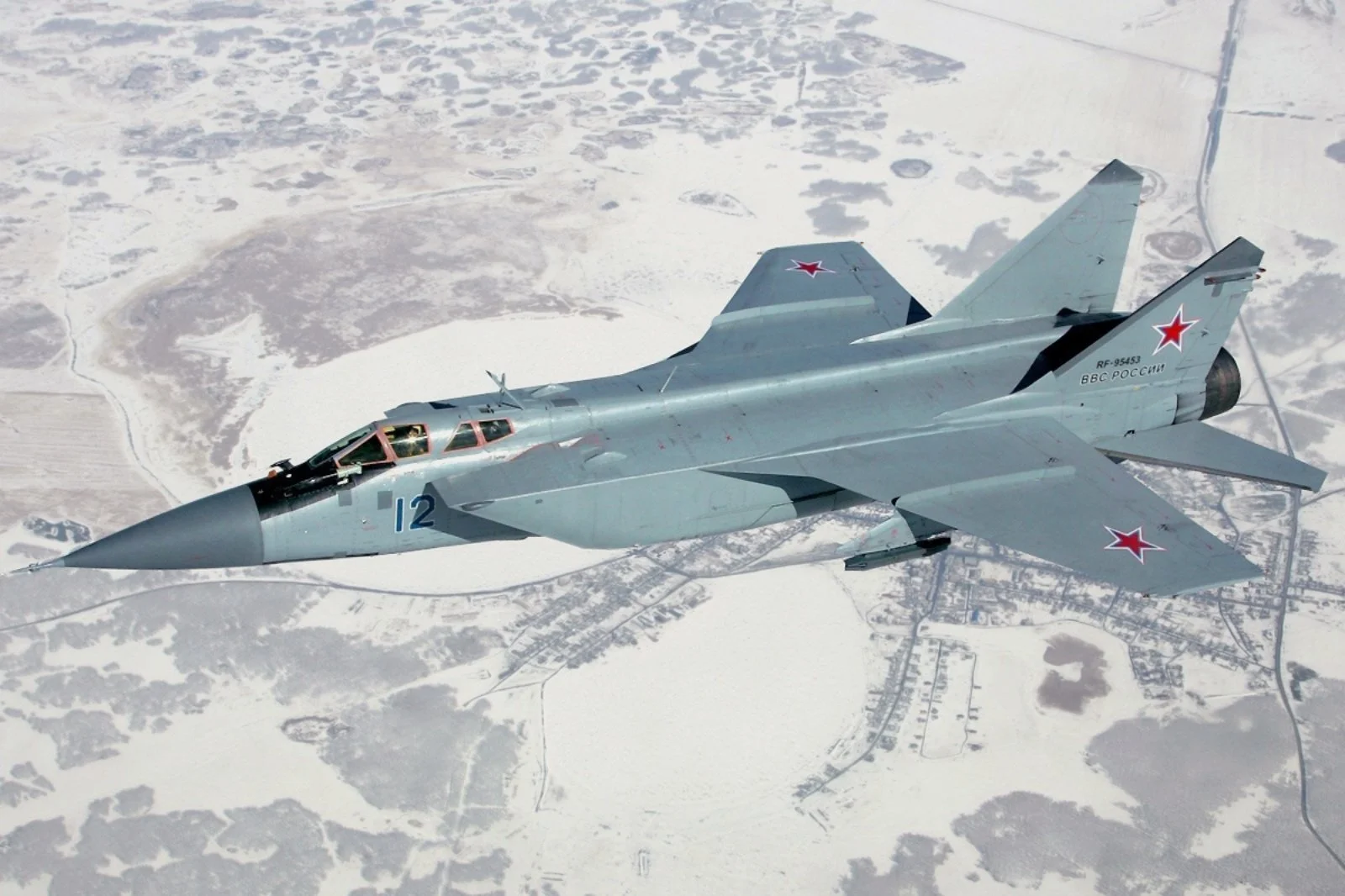
The West only learned about the MiG-31 true capabilities after the fall of the USSR. Soviet Air Defence (PVO Strany) developed several long-range interceptors to cover its northern borders and Pacific shores. The most advanced of all was the MiG-31 which shared a unique characteristic with the famous F-14 Tomcat for 20 years: the ability to launch air-to-air missiles at multiple targets at very long ranges.
This article is based on the book published by Yefim Gordon in 2005 on the MiG-31. It is also a tribute to a time, not so long ago, when you could go to Russia, visit many air force bases, talk to pilots and sailors, and when historians could access WWII and Cold War archives. If you had the money, you could even fly in a MiG-25.
I miss this period…
Speed and angels!
505 MiG-31s and 557 F-14 Tomcats were built for one mission: Air Defence of the fleet for one and of the Rodina (Motherland) for the other.
Both machines represented the peak of their respective nations' technological achievements.
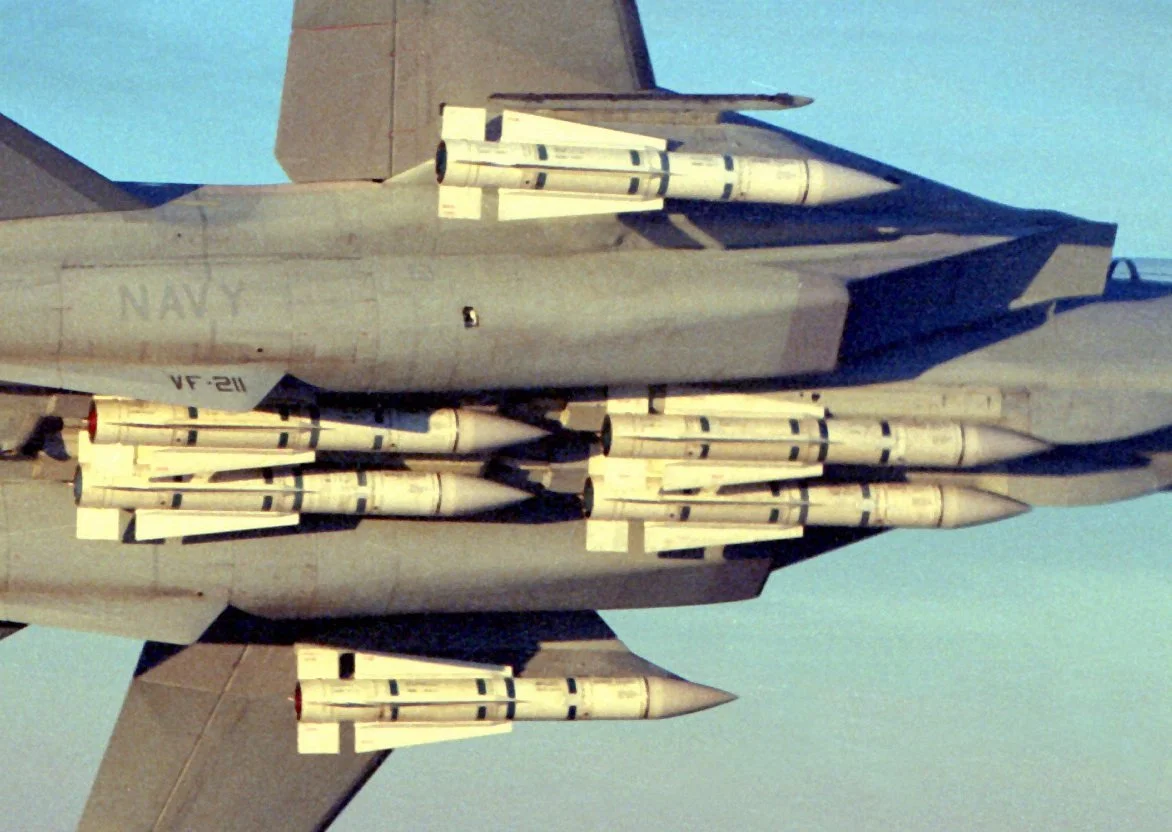
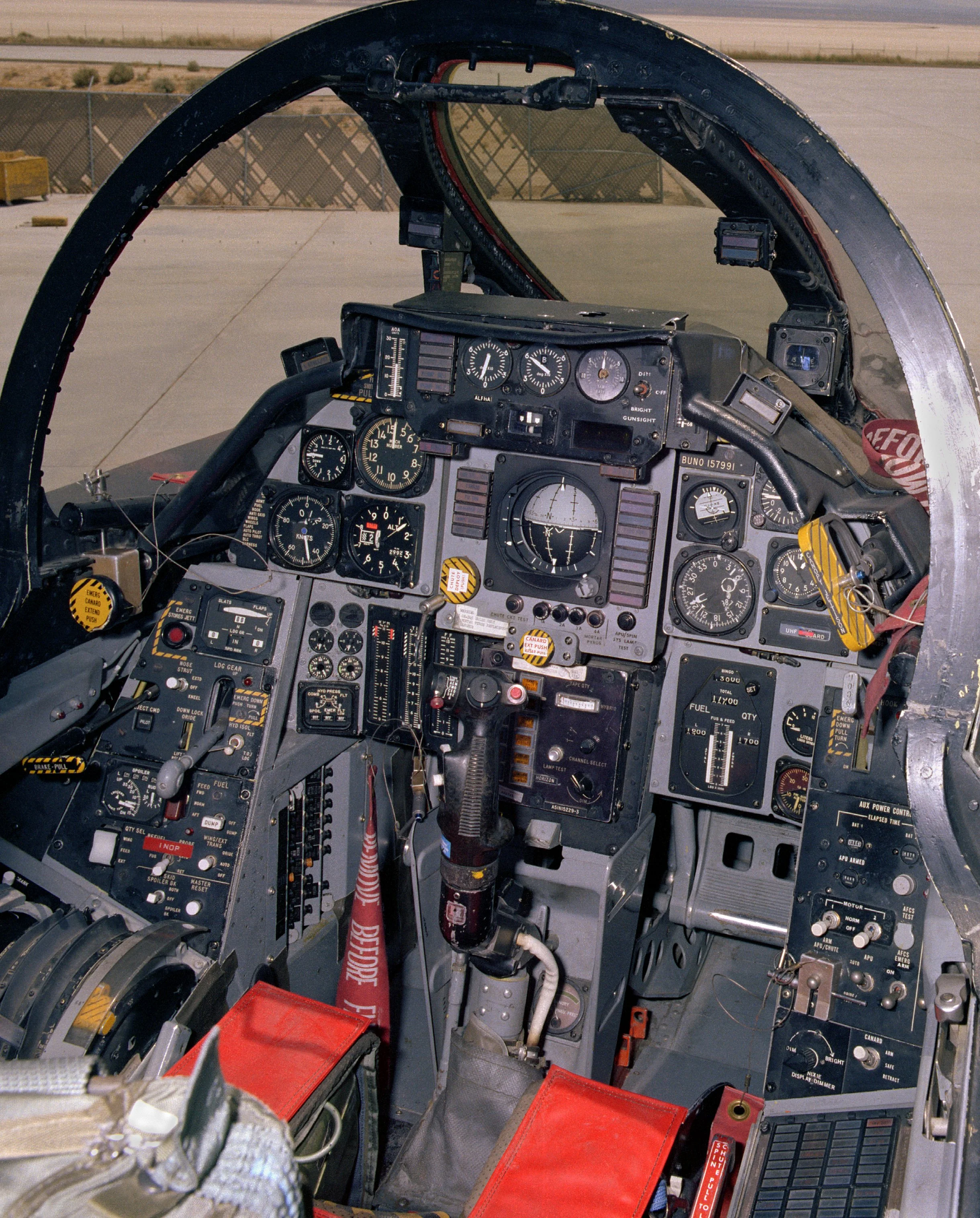
Hollywood made the F-14 famous, focusing on her incredible looks while avoiding mentioning her main strength: the AWG-9/Phoenix combination.
Meanwhile, after studying numerous F-14 encounters over Iraq and in the Far East, Russia's 2nd Central Research Institute was so confident in the MiG-31's capabilities that it estimated the Tomcat's combat potential to be 60% to 70% that of the MiG-31.
For Russian experts in the mid-1980s, it was pointless to compare the MiG-31 with any other fourth-generation NATO fighters, as they had nowhere near the same performance and capabilities in beyond-visual-range combat. Moreover, they had very little chance of meeting one, as the Soviet Union had developed more appropriate fighters for its Frontal Aviation such as the MiG-29 and Su-27.
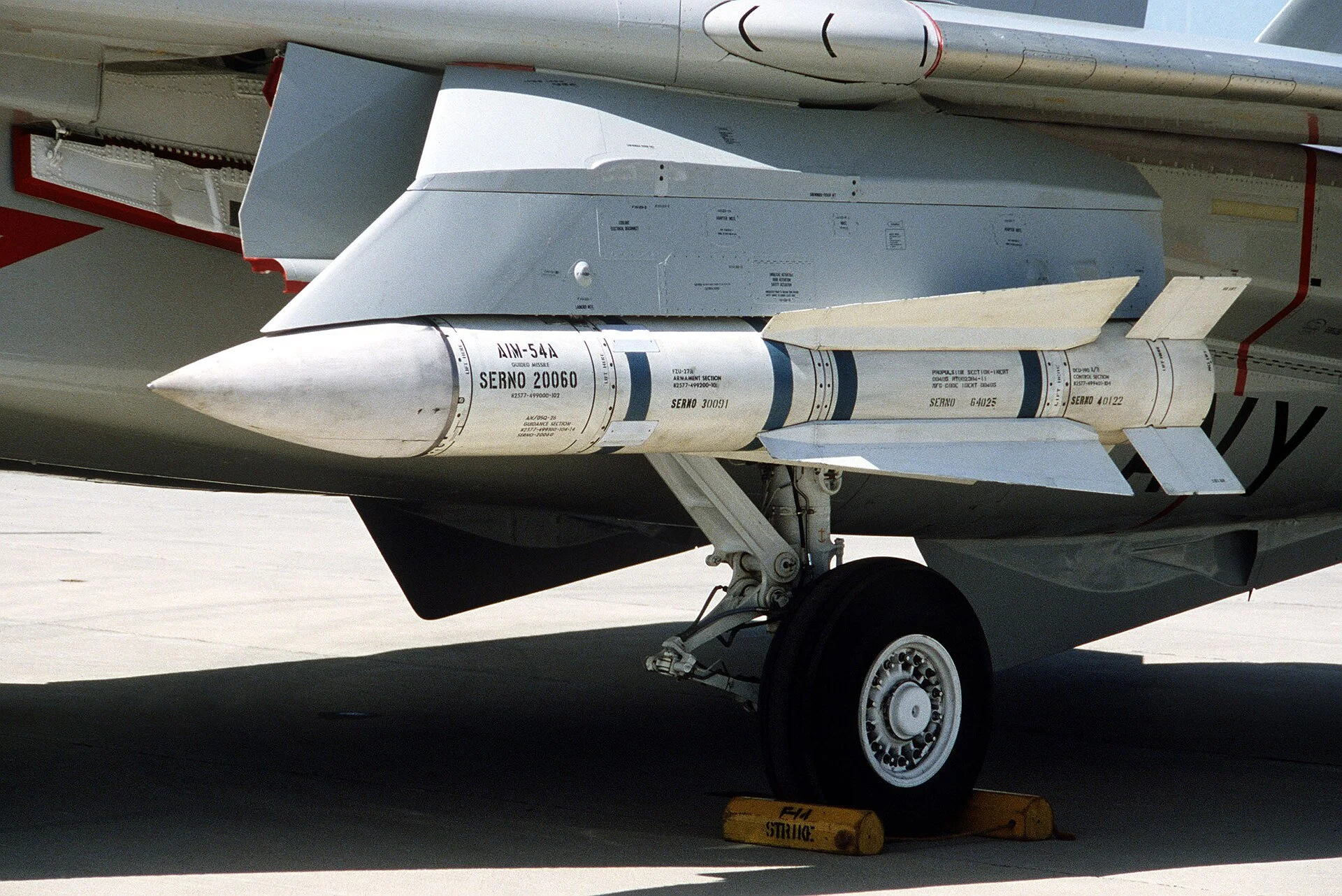
For the US Navy to survive against Soviet long-range bombers, the F-14, equipped with missiles capable of engaging aerial targets beyond 80 miles was paramount. Grumman managed to fit a radar powerful enough to use the Phoenix on a carrier-capable, Mach 2+ interceptor with excellent dogfighting capabilities. An outstanding achievement!
The F-14 was 20 years ahead of anything else in the sky, if it were not for the MiG-31.
The Mikoyan OKB designed the MiG-31 as a pure mainland based, high-speed interceptor without the restrictions imposed on her US competitor. The MiG could be 30% heavier and, as a result had enough internal space to carry twice more fuel as the F-14 (15 tons) and the first phased-array radar (PESA) installed in a fighter.
The Soviet design bureau conducted a comparative analysis of the performance of fully loaded MiG-31s versus F-14As and published it in the Russian press.
The MiG's service ceiling was 4,900 to 8,000 feet higher, her top speed above 40,000 feet was Mach 2.82 versus Mach 1.5-1.6 for the F-14A with 6 Phoenixes.
More important, the MiG's combat radius at Mach 2.35 was 450 miles, while the F-14A could only dash at Mach 1.5 for 250 miles ( about 18 minutes) before calling bingo, due to the enormous drag of its six missiles.
The F-14, on the other hand, was faster at medium altitude, vastly superior in a dogfight, and had better range at subsonic speeds due to much better fuel consumption.
These performance figures highlighted a fundamental difference in operational uses.
Phased Array versus Mechanical Antennae!
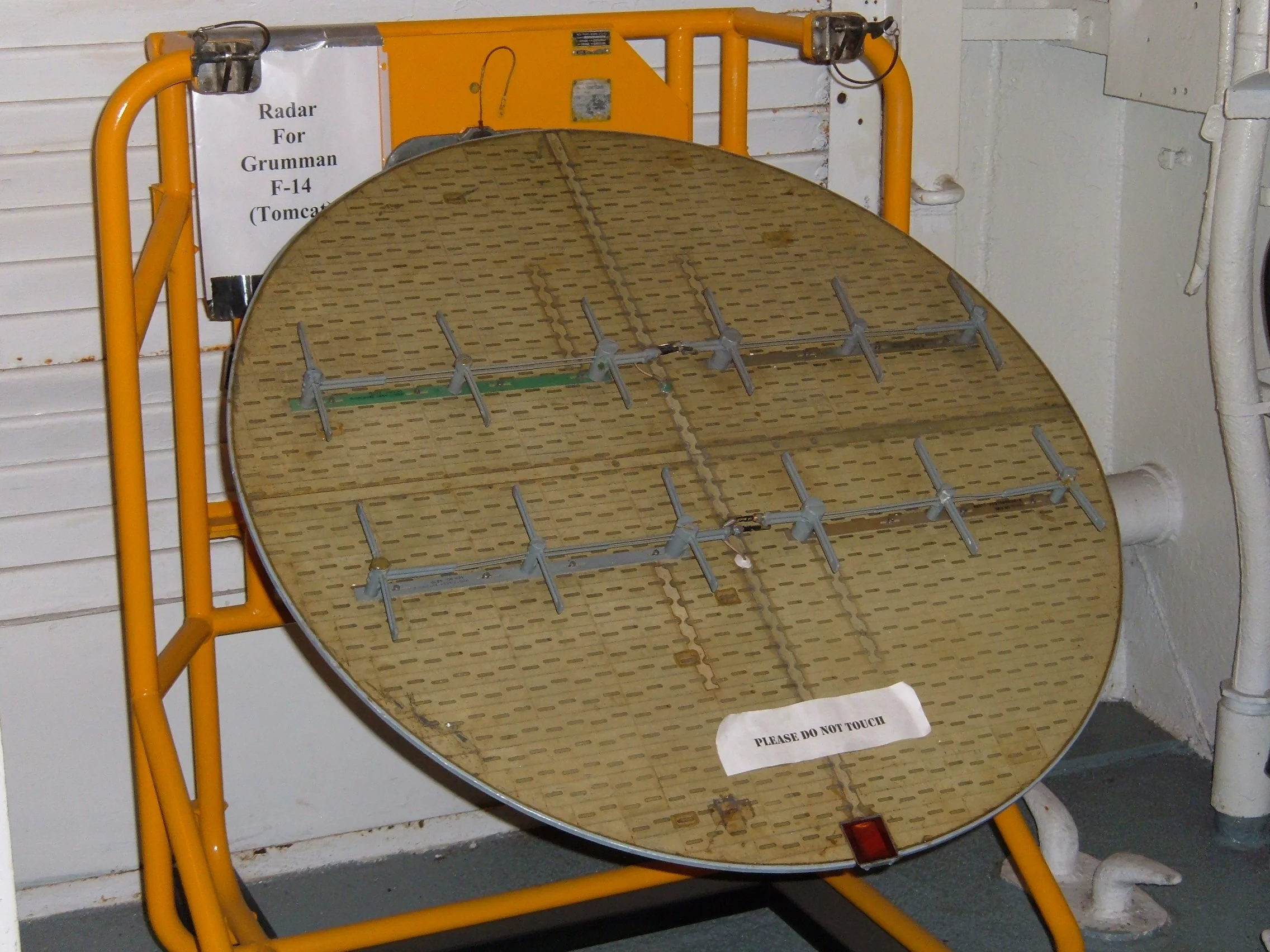
When introduced, the US AWG-9 radar boasted an impressive range. It could guide up to six Phoenix missiles towards their targets simultaneously, but its mechanical antenna could not provide continuous illumination for each target until impact. Hence the necessity for an onboard radar in the Phoenix missiles to take over once they get close to their targets.
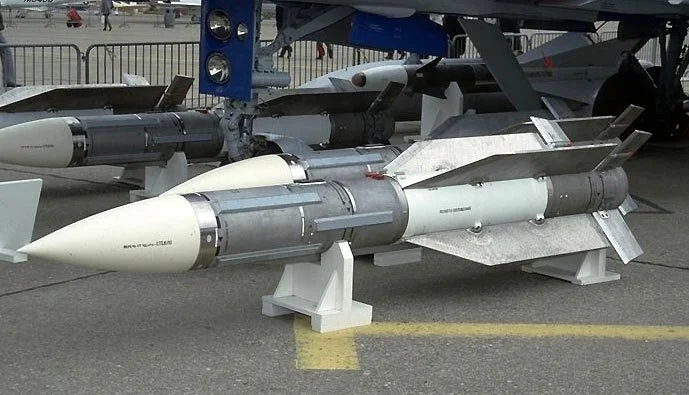
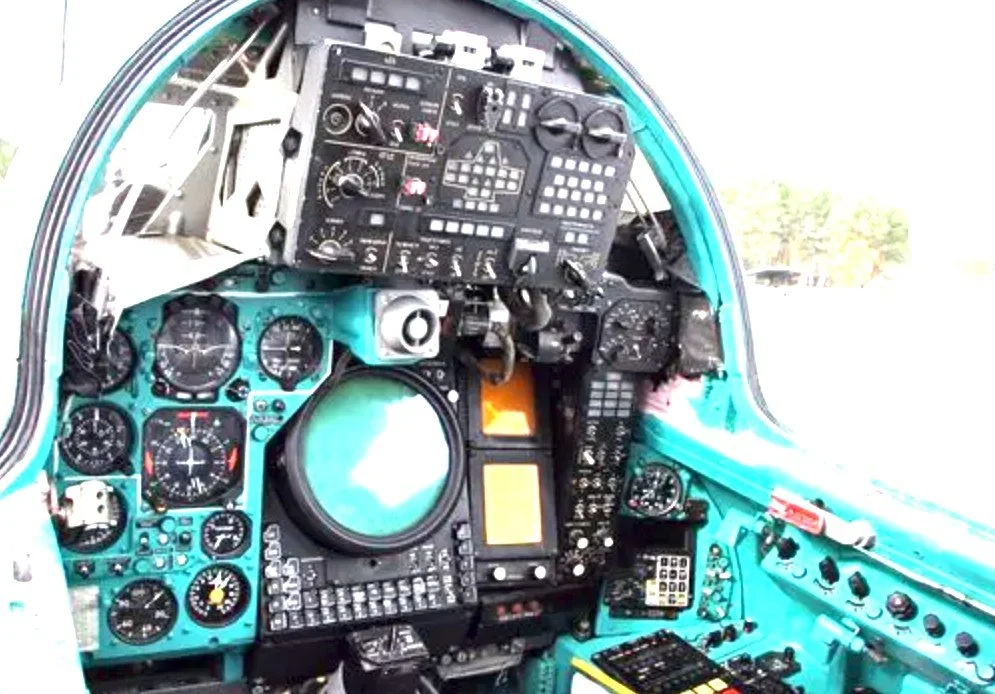
The Russians took a different approach. They installed the first electronically steered array radar on a fighter (PESA). With no moving parts, the Soviet radar beam could scan the whole sky instantly. With this technology, the crew had no problem providing guidance for six semi-active radar missiles, even at low altitude.
Another benefit was that the missiles were considerably cheaper, as the expensive electronics is carried by the aircraft. One could argue rightly, that the Soviet Union's inferior electronics could not fit an active radar into a missile yet. It was then necessary to develop a much more advanced PESA radar, something the Soviet did twenty years before the first Western aircraft.
Soviet engineers attributed the F-14's inferior radar performance as the reason for the Phoenix's poor track record when used at long range against older MiG-25s (several were fired against Libyan and Iraqi MiGs with no success).
Iranian Tomcats used Phoenix missiles with great effect, but for most at a much-reduced range of 35–40 miles.
Over time, developments on both sides seemed to comfort the Russian in their choice: a PESA radar and the capacity for the MiG to sustain very high speed was the right combination for successful long-range interceptions.
An improved version of the MiG, equipped with a Zaslon-M radar, is reported to have shot down a low-altitude cruise missile at 174 km in the 90’s. An achievement no other aircraft could match for many years.
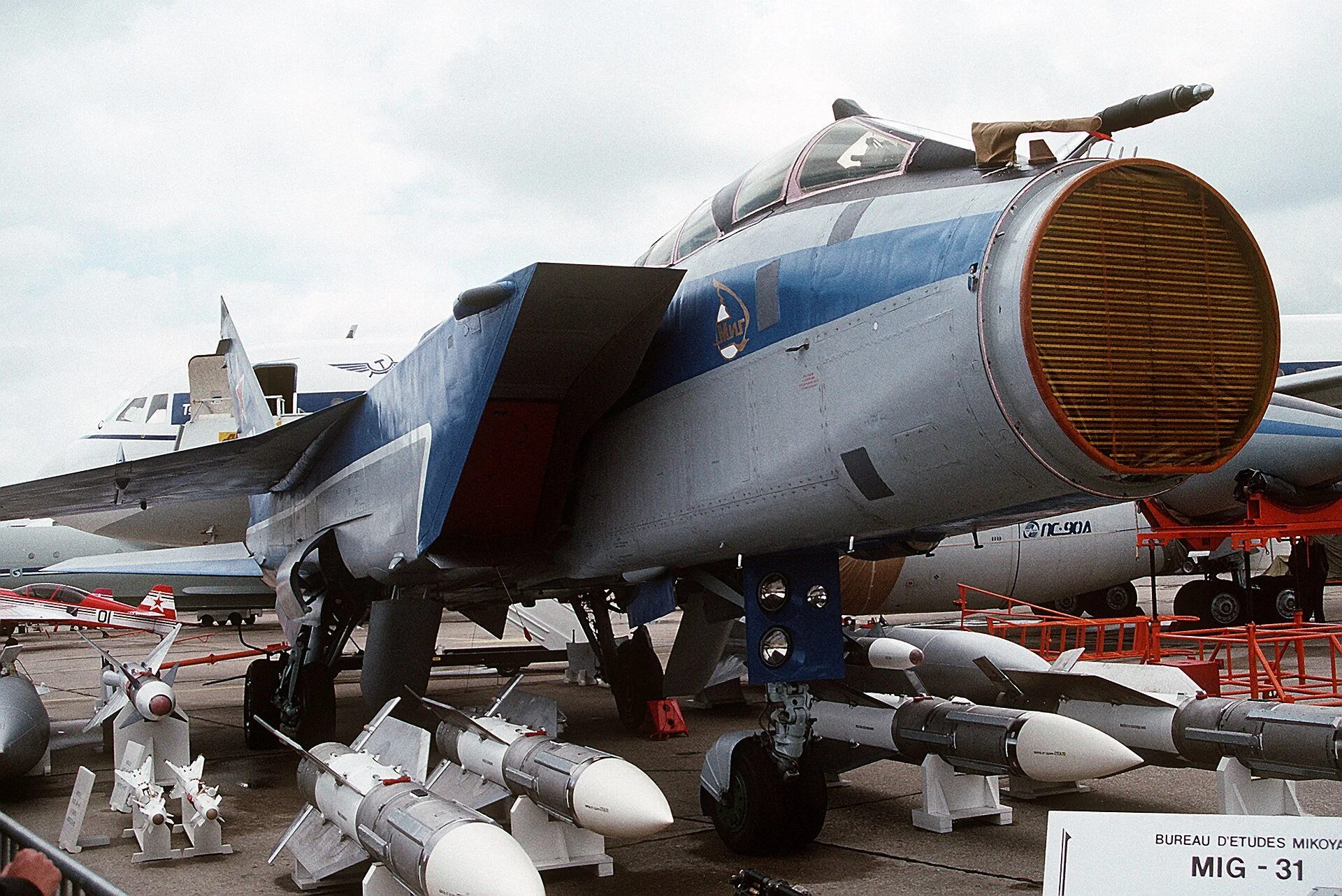
Half a century after his first flight, the Russian Air Force still considers the MiG-31 a strategic asset. R-37 very-long-range AAM are being fired daily by MiG-31 from a safe distance (over 200 km). They killed several Ukrainian fighters approaching the front lines, with very little risks of being intercepted in return by any Ukrainian fighters, even fox three shooters like the F-16 MLU or Mirages 2000-5.
The mythical Tomcat is long gone, and many Navy pilots still think she was never properly replaced in the fleet-defence role.
The US Navy/ US Air Force have several crash programs to arm their F/A-18F with a Phoenix replacement to keep the new Chinese threat at bay.
But Navy pilots, as before, still feel a need, a need for more speed!
Something Soviet MiG-31 pilots have been enjoying daily for half a century.
Not bad, Comrade!
You can witness the MiG 31 in action in my novel Elbrus Committee:
Midshipnews.org

Yefim Gordon’s book: Famous Russian Aircraft: Mikoyan MiG-31 2005
